
Why You Should Hitchhike
The case for a dying art

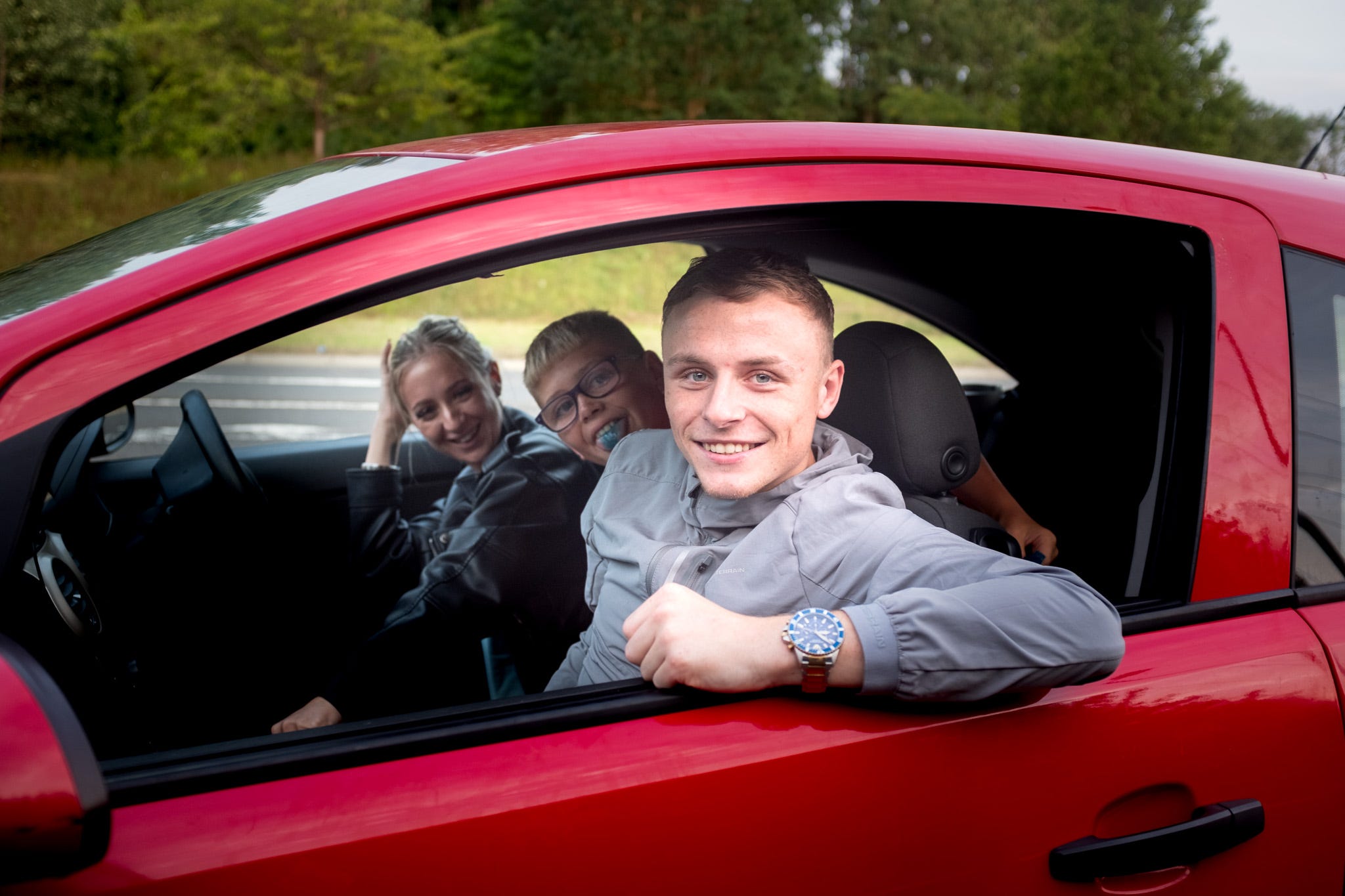
The world can feel overwhelming, particularly for the young. Governments giving up, the rich getting richer, anger on the right, nothing on the left, all while the pall of climate catastrophe gathers.
You don’t need me to tell you all that.
But what I could tell you is that despite it, hitchhiking has a place in the modern world, a positive place.
It may not make much difference to the great events of our time, but it might make a difference for you.
Here’s why.
Adventure in an Empty Seat
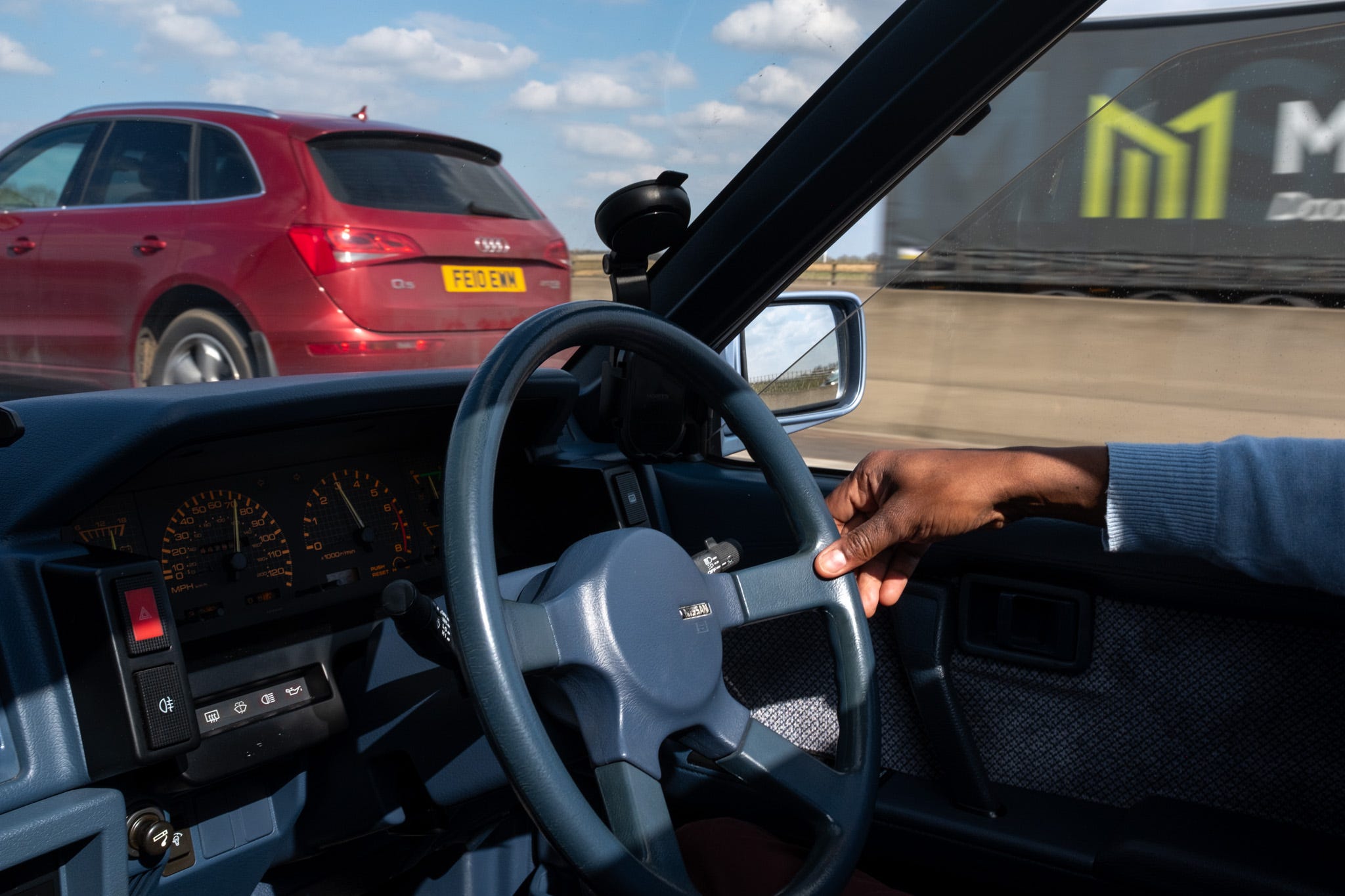
I’ll begin with the simplest reason. Hitchhiking is pretty environmentally friendly. In 2021, there were on average 47 million empty seats driving around Britain during rush hour. Need I say more?
Then there’s the fact that it’s an adventure, an exhilarating one, and it requires no long-haul flights.
Many young people nowadays get their kicks in faraway places where the weather’s nice, booze is cheap and crucially it’s different.
As a teenager, I went ‘travelling’ in Southeast Asia and had a lot of fun. At the time, it felt like I was growing up and working out who I was, or to use Rinvolucri’s term from the previous chapter, ‘severing the umbilical cord’.
But in hindsight, the moment all that really happened was not falling off a scooter and dying my hair. It was when I first hitchhiked. Admittedly, that was on the West Coast of America, a long-haul flight away, but it needn’t have been.
Indeed perhaps even more formative was my trip around Britain, which spawned this newsletter. That required no flights at all.
An Education
One of the reasons it was so formative is that hitchhiking is a (free) education.
S.D. Zeidman wrote in the 30s: “The road develops characteristics in you… If you are impatient, it teaches you to wait. If you have a temper, it gives you a placid nature. If you are selfish, it teaches you to be generous. If you are impetuous, it forces you to think.”
What’s more, it offers a unique insight into a society and culture.
When Al-Jazeera columnist Belén Fernández hitched through the Middle East, she reflected:
“I quickly confirmed that my elite education had not been an education at all – at least in terms of, you know, understanding how the world works. The ground-level view I gleaned of sociopolitical human reality…did far more to enlighten my thinking than did my Ivy League studies.”
I can’t pretend to have any understanding of how the world, or the sociopolitical human reality, works. But many years of hitchhiking have taught me one thing: that it takes all sorts to make that sociopolitical human reality go round.
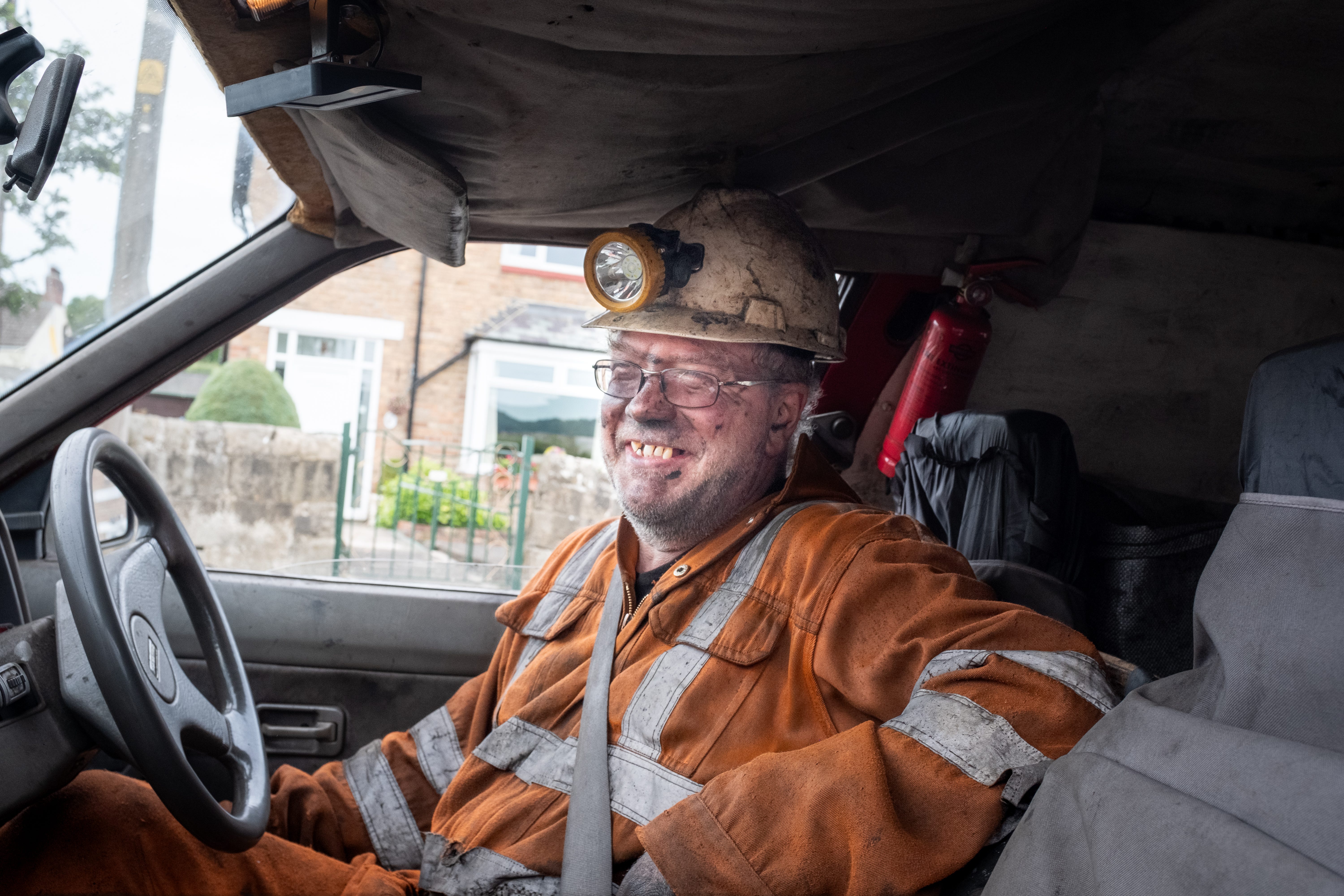
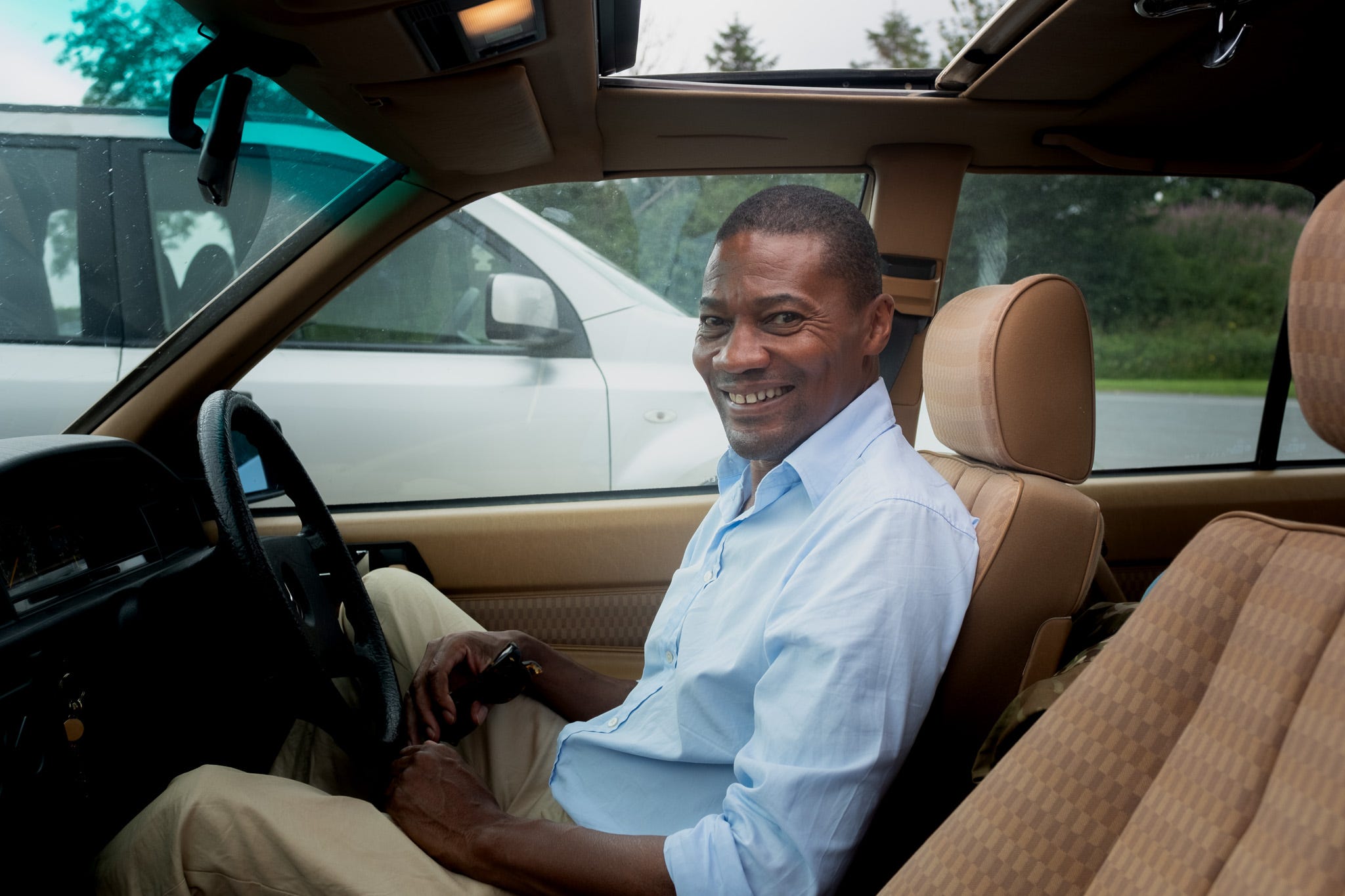
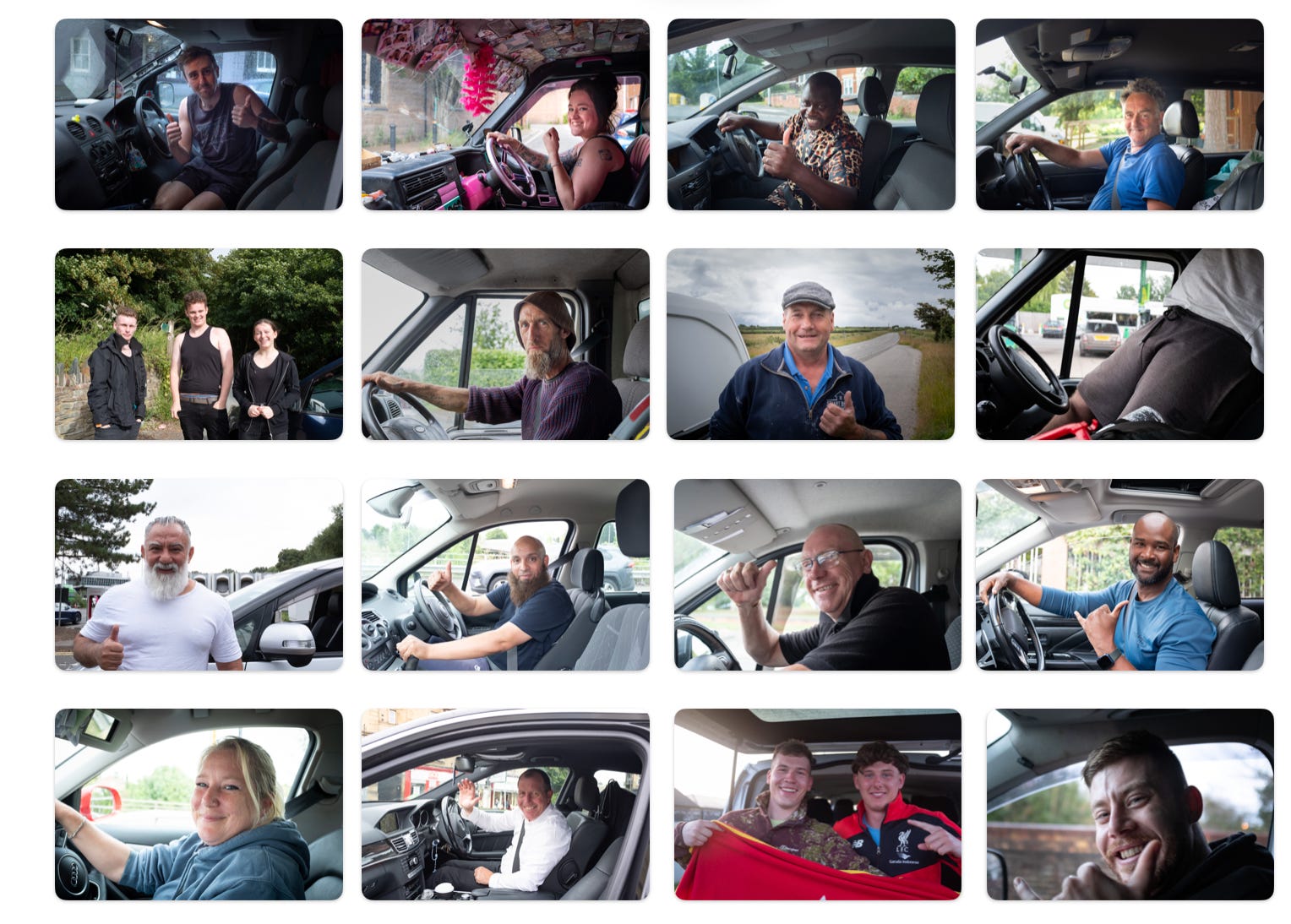
On a single trip to Aberdeen last month, I met a former bomb disposal soldier turned heart mechanic, Palestinian refugees, a lorry driver who’d been a modern slave, a recovering drug addict, two academics who’d spent the day in a septic tank… and too many others to list.
What makes hitchhiking so unique is that you sit and talk to people with whom you have no connection, besides the fact they happened to drive past you.
Most of the time, people are inspiring, kind and full of wisdom; often I virulently disagreed with them, and occasionally they are despicable. But that’s the world.
When you chat to a stranger in a car, experience and perspective are shared, stories told, and each conversation leaves you with something, however small or imperceptible.
I often think it’s a bit like reading a novel, or a good short story perhaps. It makes you, realise—indeed experience—that everyone else also has a rich, complex inner life just like you.
Sex, Drugs and Rock ’n’ Roll
Maybe, the real reason I love hitchhiking is the kick. It is like a drug, but more long-lasting, and unless you get murdered or mutilated, not bad for the rest of your body.
As I’m sure you know, taking drugs, having sex, or anything else pleasurable activates the reward circuits in the brain. When being kind, selfless or engaging in pro-social behaviour—like hitchhiking—these are activated too, hence the hit.
But other areas associated with empathy and social cognition are also activated, and it’s this overlap that leaves such a powerful afterglow, which lingers long after you get out of the car, and may well get you hooked.
Farewell Stranger Danger
Perhaps most powerful of all, though, is its ability to open you up to strangers.
As we’ve seen previously, strangers have a duality. They represent both fear and opportunity, making us approach them with caution, but also curiosity.
Most of us have grown up in the shadow of government ‘stranger danger’ campaigns from the 70s and 80s. Elsewhere, Hollywood and the press leveraged those fears too, further cultivating this darker half of the stranger image.
The precise impact of this is hard to measure, but undoubtedly, we live in a world that’s generally mistrusting of strangers—the fact the hitchhikers have disappeared is indicative of that.
Whenever I tell someone I do it, the response is usually horror followed by ‘how do you trust anyone?’
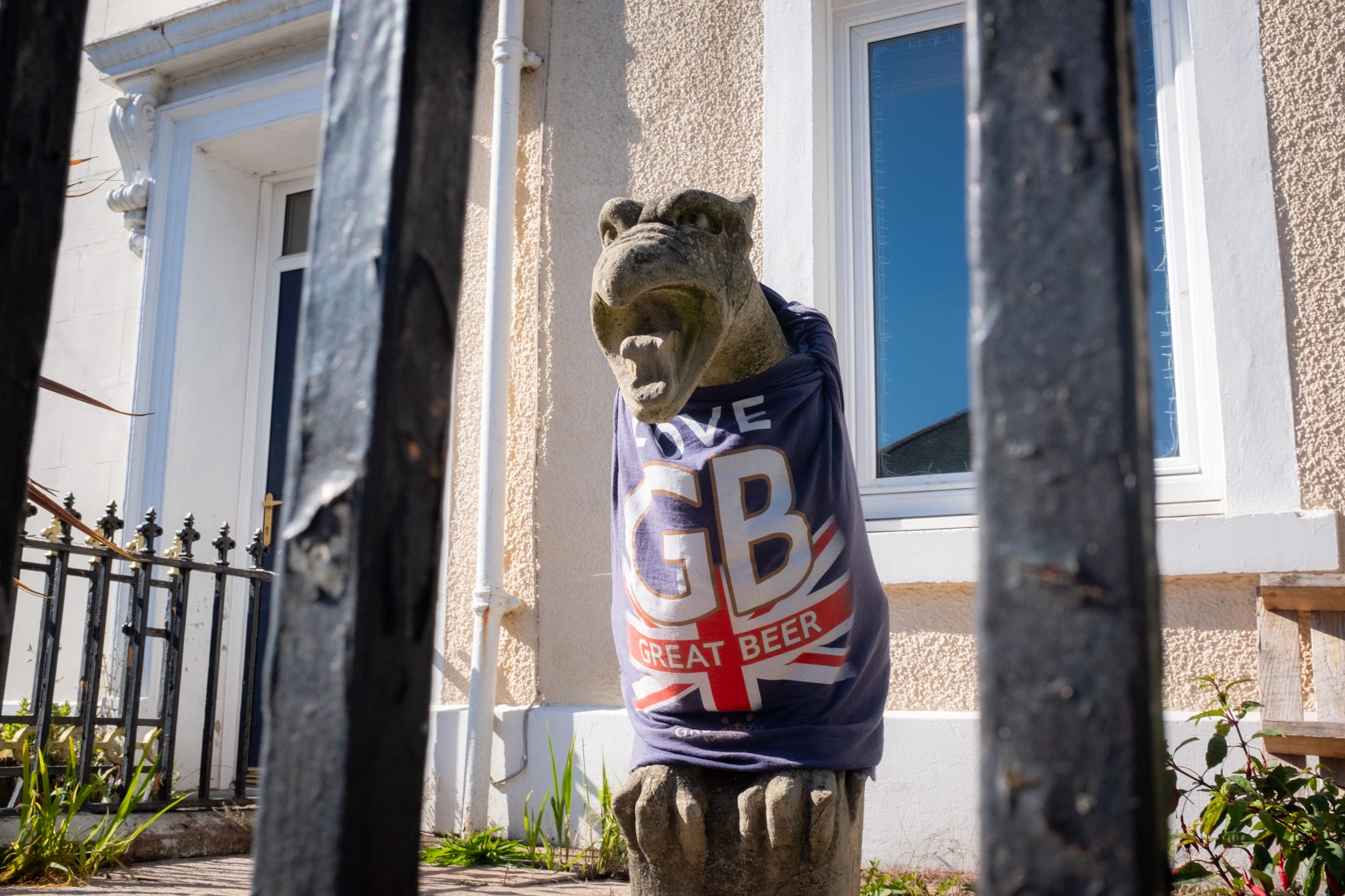
Humans are wired to maintain roughly 150 social relationships. However, in the modern world, in cities or just about anywhere on our crowded isle, we are faced with innumerable unfamiliar faces every day, not to mention the infinitely more we see on the internet.
Our relationship with strangers, therefore, is incredibly important to our understanding of and interaction with the world.
If our default position is fear, what implications does that have for our lives and our society more widely?
No Angels On The Plane
Focusing only on this fear neglects the other half of the coin: the curiosity inspired by strangers.
The Greeks called this desire to connect with outsiders ‘philoxenia’, and the concept crops up in the Bible. ‘Do not be forgetful of philoxenia,’ Hebrews 13:2 says, ‘for through this, some have entertained angels unawares.’
One recent study showed that when people were encouraged to talk to fellow commuters on their way to work, they felt much happier and more fulfilled.
Another observed the simple act of ordering coffee, instructing one group to focus on making the transaction as efficient as possible, while the other was told to chat to the barista. I’ll let you guess which felt more satisfied at the end.
This study struck me as particularly relevant. In a world where the value of efficiency is rarely questioned, hitchhiking’s inefficiency is its great strength.
I could have got to Aberdeen in an hour on the plane, instead of two days. But it’s harder to entertain angels on the plane.
The Gossamer Bridge
Trusting strangers can be hard, particularly if you’ve been burned before.
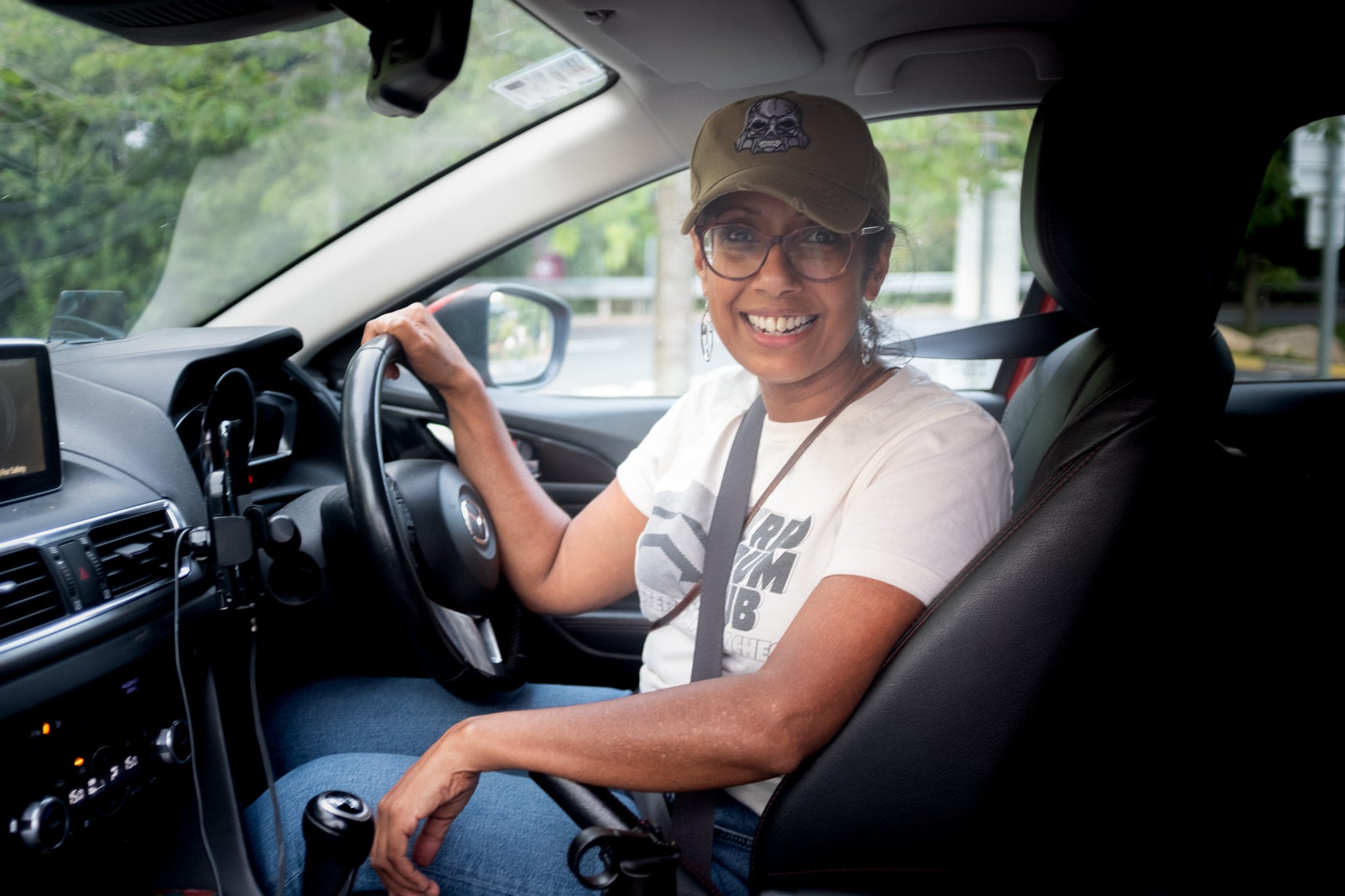
In Hello, Stranger, Will Buckingham likens the first blind step of trust to crossing a gossamer bridge. In medieval legends—and Indiana Jones—these bridges are invisible and require faith alone to cross. You have to take the step to realise the bridge is really there.
It’s the same with hitchhiking. Once you have a couple of successful rides, you realise it’s not so bad and that most people aren’t out to murder you.
For me, that happened in America. I began to be more trusting and immediately noticed my sense of love for the world and fellow humans beginning to grow.
No one could put it better than bell hooks: “When we choose to love, we choose to move against fear - against alienation and separation. The choice to love is a choice to connect - to find ourselves in the other.”
Everywhere Every Day
The world is dangerous. I am not denying that. There are bad people and there is a chance that something bad could happen. Just because I’ve had several hundred good experiences doesn’t erase that fact.
But you’re much more likely to be a victim of the crimes associated with hitchhiking walking down the street in London. Indeed, statistically, they’ll most likely be perpetrated by someone you know.
I recently spoke to a woman who’d hitched the length of Africa. She received plenty of inappropriate comments but only felt physically in danger once—when she was in a taxi.
Her conclusion, the same as most other hitchhikers, was that there is a risk everywhere, every day, no matter what you’re doing.
“You can’t let them get the better of you,” she told me.
For her, both in terms of travelling and her outlook on life, the benefits of connecting with people and looking for the best in them far outweighed those risks.
Social Inefficiency
I hope this brief paean will inspire you to go and dig out a lay-by somewhere, or perhaps sometimes just be a little less efficient.
Take the slow road, or best of all, the social road. You never know where it’ll lead, but it might just make you feel good.
It has for me. At difficult times in life, I’ve found deep solace on the road, talking to people and realising that we are not alone in this world, and that ultimately there is very little that separates us.
Often just a car door.
I want to thank you for reading along. It’s a great privilege to have you get this far.
This is almost my 150th chapter, so I’m going to take a short break and return with monthly pieces. Hitchhiking will no doubt be very much involved, but I’ll be writing on some broader topics too, which I’m very excited about, so do stay tuned.
If you are interested too, I’ve been making videos of my journeys, which you can see on my new Instagram page @_lifes_a_hitch.
Most importantly though, I’m inching towards getting Britain By Thumb published as a book. So stay tuned on that front too.
Lots of love,
Nico
👍
Another inspiring installment, Nico. One slight disagreement. You write that the driver and thumber's only connection is that they are crossing paths. Actually, the connection is that each is risk taker, at least at that moment. Each is willing to take that chance on that stranger in such a confined, intimate way. It doesn't necessarily define a risk taker, though. There are others who take great risks who would never hitch or give a ride. It's just a common thread of those who do.
Down the road... Mark
Thanks for this. It reminded me of my hitchhiking days as a college student back in the 70's. I'm afraid if I stuck my thumb out now my family would put me in an institution, but I may just risk it to enjoy the freedom of the open road.